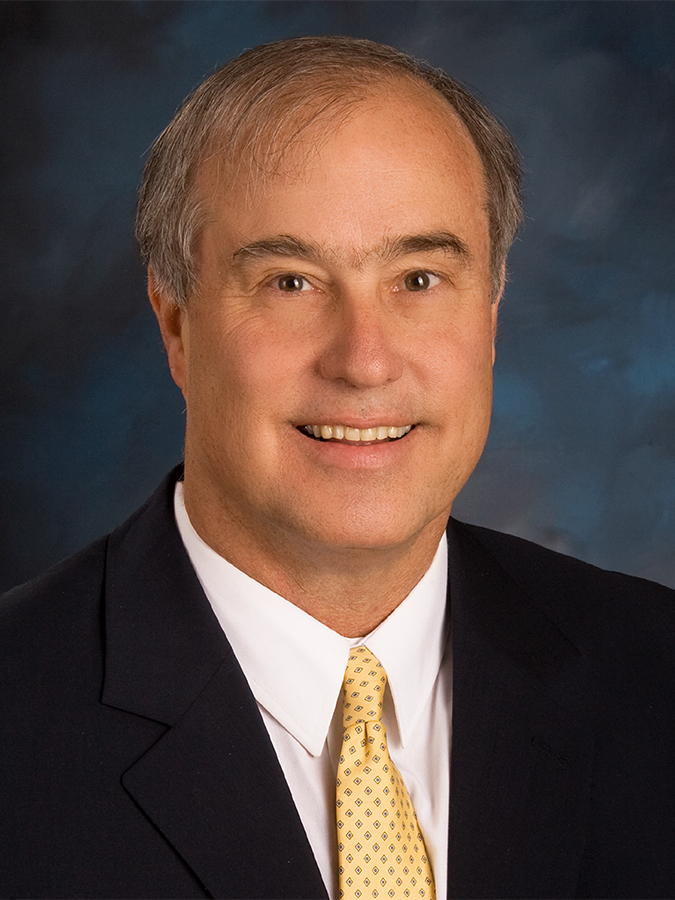
William Douglas Hiller, MD, Commended for Continued Success in Orthopedics and Education

William Douglas Hiller, MD, honored for over 35 years of experience in the health care industry
KANEOHE, HAWAII, April 28, 2025, William Douglas Hiller, MD, has been selected for inclusion in Marquis Who’s Who. As in all Marquis Who’s Who biographical volumes, individuals profiled are selected on the basis of current reference value. Factors such as position, noteworthy accomplishments, visibility, and prominence in a field are all taken into account during the selection process.
Dr. Hiller has established a distinguished career in medicine and research, marked by his dedication to orthopedic surgery and sports medicine. Currently serving as a clinical professor at the Elson S. Floyd College of Medicine at Washington State University, he has spent the last five years contributing to the field through research and education. Prior to this role, he practiced as an orthopedic surgeon at Whitman Hospital and Medical Center in Colfax, Washington, from 2017 to 2024, where he continued to refine his expertise in orthopedic care.
Dr. Hiller’s career is deeply rooted in his time in Hawaii, where he made significant contributions to sports medicine. As a clinical researcher and faculty member at the John A. Burns School of Medicine at the University of Hawaii, he founded and directed the sports medicine fellowship from 1992 to 1996. His efforts were instrumental in ensuring that all public high schools on Oahu had access to athletic trainers and team doctors, a pioneering initiative that set a precedent for other states. Additionally, he served as an orthopedic surgeon at the Kalaupapa Hansen’s Disease Colony on Molokai and directed the foot and ankle section of the orthopedic surgery residency program at the University of Hawaii.
Throughout his career, Dr. Hiller has been actively involved with the Ironman triathlon community. Since 1983, he has served as the research coordinator for the medical team, contributing to groundbreaking discoveries, such as hyponatremia and cardiac fatigue in athletes. His commitment to advancing medical knowledge in sports is further exemplified by his role as co-director of the Global Triathlon Safety Database at Washington State University and his three-time position as medical doctor for the Olympic Games.
Dr. Hiller is deeply committed to both research and patient care. He believes in the importance of genuine, compassionate interactions—taking the time to sit with patients, understand their lives and support them through some of their most critical decisions. His research approach is equally personal and purposeful, focusing on fundamental issues that have a meaningful impact on people’s lives and conducting studies designed to influence real-world outcomes.
Dr. Hiller’s academic journey began with a Bachelor of Arts in physics from the University of California, Berkeley, followed by premedical studies at the University of California, Santa Barbara in 1974. He then earned his medical doctor degree from Sidney Kimmel Medical College at Thomas Jefferson University in 1981, where he also completed a surgery fellowship in 1989. His training included a sports medicine fellowship at Duke University Medical Center and a research fellowship at Pennsylvania Hospital. He has been licensed to practice medicine in Wyoming, Pennsylvania, North Carolina, Hawaii, Ohio, Tennessee and Washington.
In addition to his academic achievements, Dr. Hiller has been recognized for his contributions to triathlon safety and medical research. He was inducted into the Hall of Fame with the Michel Gignoux Award by World Triathlon in 2019 and received the Multisports Award from USA Triathlon in 2024. His publications include “Triathlon Medical Coverage: A Guide for Medical Directors” and “Lead Medical and Physiological Considerations in Triathlons,” among many other works. Additionally, he helped write the original medical guidelines for USA Triathlon and World Triathlon.
Dr. Hiller’s passion for sports and community service extends to his personal life. A lifetime swimmer and sailing enthusiast, he has participated in numerous yacht races, including a LA to Tahiti TransPacific Yacht Race, and canoe competitions. Furthermore, he has given his time as a medical volunteer for Ironman events, provided care to athletes and offered free services to patients unable to afford medical treatment.
Looking ahead in his professional journey, Dr. Hiller aspires to inspire future generations of physicians through his legacy of research and patient care. He remains committed to advancing transparency in triathlon safety research, aiming to make it a model for other sports worldwide. His dedication to meaningful research continues to influence lives, embodying his belief in addressing fundamental issues that impact health outcomes globally.